





ARMOR X2
WiFi 6Rugged metal outdoor WiFi
TECH SPECSBuy
Overview
| Wireless technology | WiFi 6 |
|---|---|
| Radio configuration | Dual-band 2.4 / 5 GHz |
| Maximum radio rates | 574 + 2,402 Mbps |
| Spatial Diversity | 2x2 MIMO |
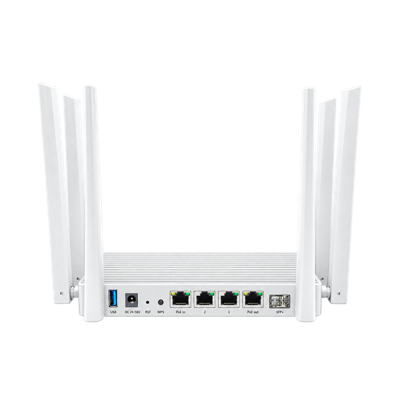
| Network interfaces | 2× GbE + 1G SFP |
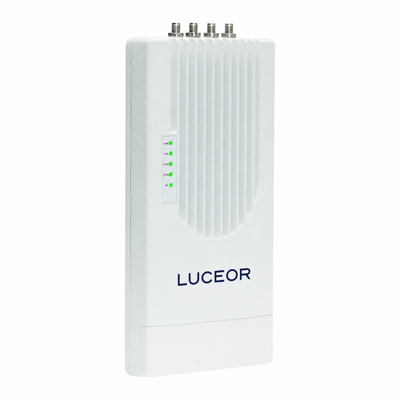
| Enclosure / protection | Metal · IP67 |
| Client capacity | 128 total · 64 per band |
Radio & Antenna
| Antenna configuration | External antennas |
|---|---|
| Operating frequency | 2.400–2.484 GHz · 5.150–5.850 GHz |
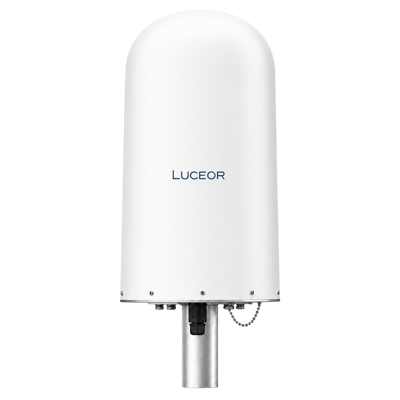
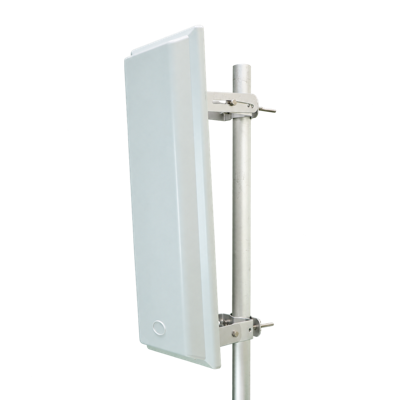
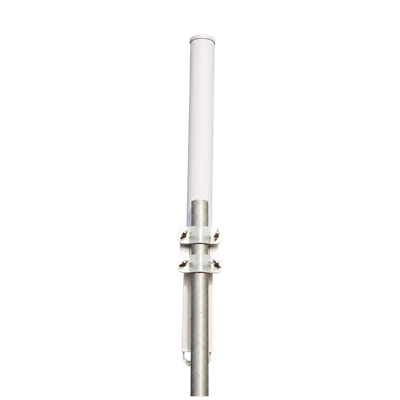
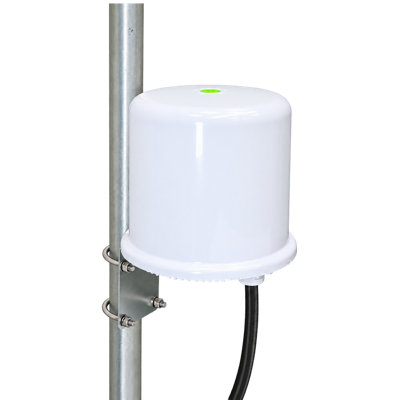
| External antennas | 4× 6 dBi dual-band |
| Multiple SSIDs | 4 per band |
Hardware
| Operating temperature | −40 to +70°C |
|---|---|
| Dimensions | 243.2 × 218.3 × 64.1 mm |
| Power | 802.3at PoE |
| Maximum consumption | <18 W |
| Processor | Qualcomm IPQ5018 + QCN6102 + QCA8337 |
| RAM | 512 MB |
| Flash | 8 MB SPI NOR + 128 MB NAND |
| Operating humidity | 5–95%, non-condensing |
| ESD protection | ±8 kV air · ±6 kV contact |
| Surge protection | 4 kV common mode · 2 kV differential mode |
Networking & Management
| Roaming | 802.11k/v |
|---|---|
| Operating modes | Gateway / Access Point |
| VLAN | Supported |
| Client isolation | Supported |
| Wireless security | WPA · WPA2-PSK (TKIP / AES) · WPA2-EAP |
| Management | Web interface · AC controller · Remote · Cloud |
PHY rates are theoretical. Actual throughput and range depend on radio configuration and operating conditions. Available frequencies, channel widths and transmit power depend on the country of operation.
STANDARD PACKAGE
In the box
Supplied components for ARMOR X2.
ARMOR X2 access point×1
LAN cable×1
Mounting accessoriesSet
PRODUCT PHOTOGRAPHY
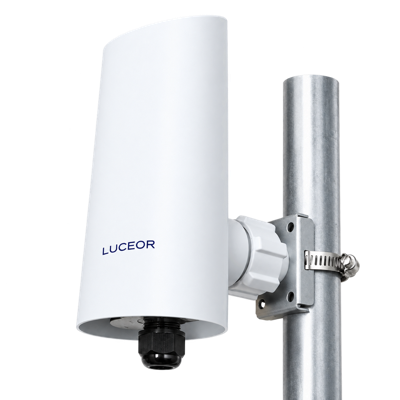
ARMOR X2, in detail.
Explore the original product views.
View 2
Download PNGView 3
Download PNGView 4
Download PNGView 5
Download PNGView 6
Download PNGView 7
Download PNGINSTALLATION ESSENTIALS
Complete the installation.
Connection and mounting requirements for ARMOR X2.
Installation support
Suitable mounting support and clearance.
Check your deployment configurationNetwork connection
2× GbE + 1G SFP
Check your deployment configurationPower supply
802.3at PoE
Check your deployment configurationINSTALLATION NOTES
Install. Connect. Configure.
Deployment checklist for ARMOR X2.
Position the device
Secure the unit on a suitable outdoor support and protect all exposed connections.
Prepare the antennas
Attach compatible external antennas before enabling the radios.
Connect network and power
Use the documented Ethernet and power interfaces. Verify the supply requirements on the device label.
Configure wireless access
Configure the country, SSIDs, authentication and VLAN settings. Verify coverage with a client device.
 ARMOR X2